Why Is My Cat Sneezing? Harmless Tickle vs. Time to Call the Vet
 🐱 Cat Mystery
The short answer
An occasional sneeze is normal — usually just dust, a tickle, or a strong smell. But frequent sneezing, especially with discharge, can mean an upper respiratory infection, allergies, or a dental or nasal issue worth a vet visit.
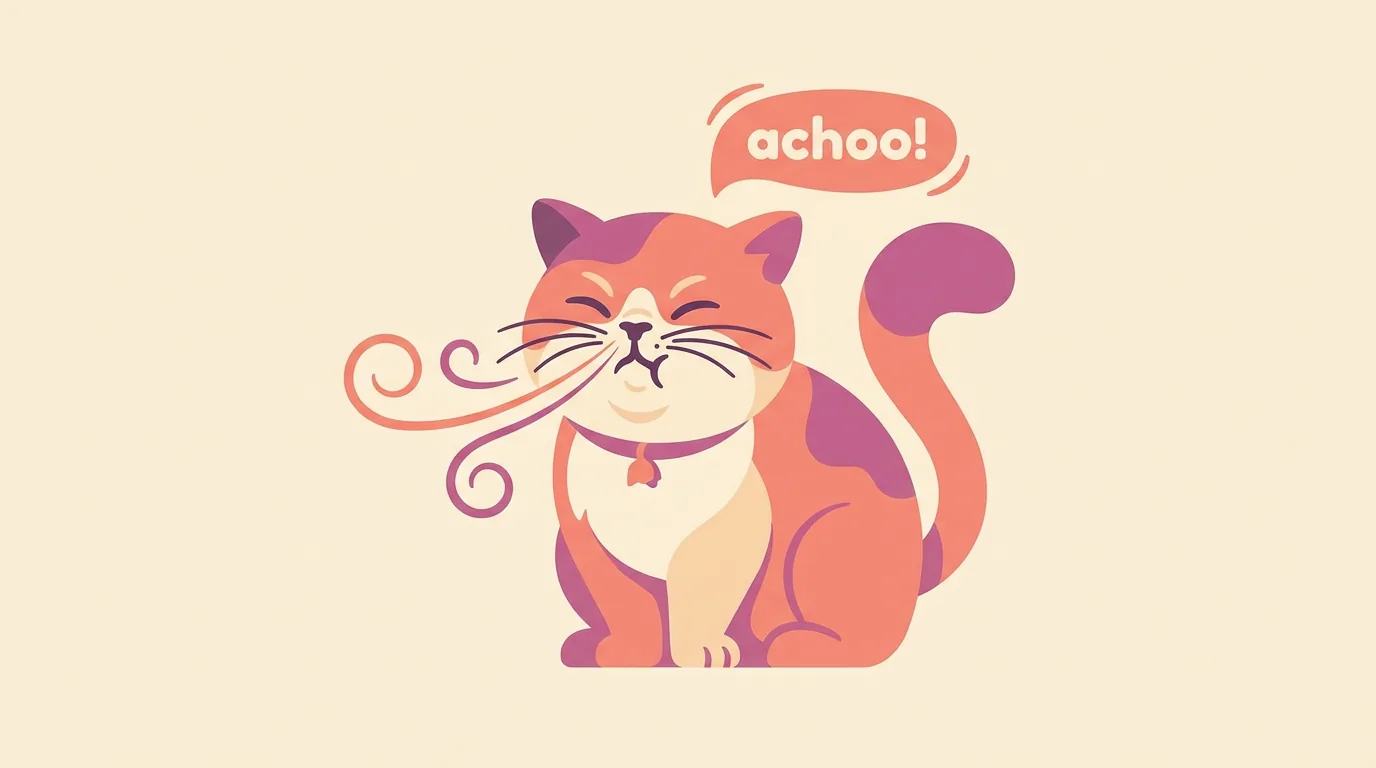
An occasional sneeze from a cat is as unremarkable as it is from a person — dust, a strong smell, a stray bit of litter. What matters is the pattern. Sneezing that repeats over days, or arrives with discharge from the eyes or nose, is one of the most common reasons cats are seen by a vet, and the underlying causes are worth understanding.
The single most common cause
Feline upper respiratory infection is by a wide margin the usual explanation for a sneezing cat. Veterinary sources describe it as a complex rather than a single disease, because several different pathogens produce a near-identical picture.
The main players are feline herpesvirus-1 and feline calicivirus, which together account for the large majority of cases, alongside bacteria including Chlamydophila felis, Mycoplasma species and Bordetella bronchiseptica. Because the signs overlap so heavily, a vet generally cannot tell them apart by looking — which matters less than it sounds, because the supportive treatment is similar for most.
Typical signs go well beyond sneezing: clear or coloured discharge from the eyes or nose, conjunctivitis with swelling of the membranes around the eyes, coughing, mouth ulcers, lethargy and loss of appetite. A cat showing several of those has a respiratory infection until proven otherwise.
Why herpesvirus matters more than most owners realise
Feline herpesvirus is worth singling out because it does not leave. After the initial infection, the virus persists for life in a latent state in most cats, and it can reactivate during periods of stress — a house move, a new pet, boarding, illness, or any significant change in routine.
That explains a pattern owners find baffling: a cat that seems perfectly well for months and then has a bout of sneezing and runny eyes for a week or two, apparently out of nowhere. It is usually not a new infection. It is the existing one waking up, and reducing stress genuinely reduces the frequency of flare-ups.
The other causes worth knowing
- Irritants. Dust, aerosol sprays, perfume, cigarette smoke, cleaning products, scented candles and dusty cat litter all trigger sneezing. This is the easiest cause to test — change one thing and watch.
- Dental disease. The roots of the upper teeth sit very close to the nasal passages. An infected tooth root can produce persistent sneezing and one-sided nasal discharge, and it is a genuinely under-recognised cause.
- Foreign material. A grass seed or blade of grass lodged in the nasal passage or the back of the throat causes sudden, violent, repeated sneezing that starts abruptly in a previously well cat.
- Nasopharyngeal polyps. Benign growths that can obstruct the nasal passage and cause chronic signs, more common in young cats and often accompanied by noisy breathing.
- Chronic rhinitis. Permanent damage to the delicate structures inside the nose from an earlier severe infection, leaving a cat with lifelong intermittent sneezing and discharge even though the original infection has cleared.
- Fungal infection and, rarely, nasal tumours — more likely in older cats with persistent one-sided signs.
One side or both?
This is the most useful single observation you can make, and it is one a vet will ask about immediately.
Discharge from both nostrils points toward infection or a generalised irritant — something affecting the whole respiratory tract. Discharge from one nostril only points toward a local problem: a foreign body, a tooth root abscess, a polyp or a mass. One-sided signs in an older cat that persist are the combination that most warrants prompt investigation.
Simple things worth trying first
Switch to a low-dust, unscented litter and see if it changes over a week. Stop using aerosols, plug-ins and scented candles near where the cat sleeps. Running a humidifier, or sitting with your cat in a steamy bathroom for ten minutes, loosens nasal secretions and genuinely helps a congested cat breathe and smell food again — which matters, because cats that cannot smell often stop eating.
When to see a vet
A single sneezing fit in a bright, hungry cat can reasonably be watched for a day or two. Beyond that, most sneezing cats benefit from being seen — partly because supportive care shortens the misery, and partly because the causes that need specific treatment are not distinguishable at home.
Book an appointment if any of these apply
Sneezing lasting more than a few days; thick, yellow, green or blood-tinged discharge; discharge or squinting from one eye; discharge from one nostril only; loss of appetite or refusal to eat for more than 24 hours; lethargy; laboured or open-mouthed breathing; ulcers in the mouth; or a kitten with any respiratory signs. Open-mouthed breathing and refusal to eat are the two that should not wait — cats hide illness well, and a cat that has stopped eating deteriorates faster than people expect.
Prevention and living with it
Core vaccination covers feline herpesvirus and calicivirus. It does not reliably prevent infection outright, but it substantially reduces how severe the disease is — which is the realistic goal with these viruses rather than complete protection.
For a cat that already carries herpesvirus, the practical work is stress management: predictable routine, enough litter trays and feeding stations in a multi-cat household, vertical space, and a calm introduction plan for any new animal. Some cats benefit from lysine supplementation, though the evidence for it is genuinely mixed and it is worth discussing with your vet rather than assuming. Cats with permanent nasal damage may need periodic courses of treatment for the rest of their lives, and that is a manageable outcome rather than a bleak one.
Gear that actually helps
Hand-picked for this behavior. We may earn a small commission — at no cost to you.
Frequently asked
Why does my cat keep sneezing?
The most common cause by far is feline upper respiratory infection, usually feline herpesvirus-1 or calicivirus, sometimes with bacteria such as Chlamydophila, Mycoplasma or Bordetella. Other causes include dust and aerosols, dental disease, a foreign body, nasal polyps and chronic rhinitis.
Should I worry about my cat sneezing?
An occasional sneeze in a bright, hungry cat is normal. See a vet if it lasts more than a few days, or comes with thick or coloured discharge, eye discharge, appetite loss, lethargy, mouth ulcers or laboured breathing. A cat that has stopped eating should be seen promptly.
Why does my cat's sneezing keep coming back?
Feline herpesvirus persists for life in most infected cats and reactivates during stress — a move, a new pet, boarding, or illness. Recurring bouts every few months are usually flare-ups of an existing infection rather than new ones, and reducing stress reduces how often they happen.
Does it matter if the discharge is from one nostril or both?
Yes, it is one of the most useful things you can observe. Both nostrils suggests infection or a generalised irritant. One nostril suggests a local problem — a foreign body, an infected tooth root, a polyp or a mass — and persistent one-sided signs in an older cat warrant prompt investigation.
Can cat litter make my cat sneeze?
Yes. Dusty and scented litters are a common irritant. Switching to a low-dust, unscented litter for a couple of weeks is one of the easiest things to test, along with removing aerosols, plug-ins and scented candles from where the cat sleeps.
Can I catch my cat's cold?
No. Feline herpesvirus and calicivirus are cat-specific and do not infect people. They do spread readily between cats, so an affected cat should be kept away from other cats, and hands and bowls washed between animals.
Sources
Every claim on this page is checked against published veterinary and animal-behaviour research. Here’s where it comes from.
- 1Respiratory Infections — Cornell Feline Health Center
- 2Feline Upper Respiratory Infection — VCA Animal Hospitals
- 3Chronic Upper Respiratory Tract Disease — VCA Animal Hospitals
Keep exploring
 🐱 Cat Mystery
Why Is My Cat Drooling? Happy Drool vs. When to Call the Vet
Some cats drool when they’re blissed out. Others drool because something’s wrong. Here’s how to tell the difference fast.
Why Does My Cat Follow Me to the Bathroom?
No privacy with a cat in the house. Here’s why the bathroom always comes with a feline chaperone.
Why Does My Cat Lay on My Clothes?
Fresh laundry, worn hoodie, it doesn’t matter — your cat will claim it. Here’s the cozy reason why.
Why Does My Cat Sleep on My Pillow?
Your cat has claimed your pillow as their own. It’s a bigger compliment than it seems.
Why Does My Cat Lick the Wall?
Tongue to the wall? It’s odd but common — and here’s how to tell harmless curiosity from a red flag.
Why Does My Cat Chatter at Birds?
Window open, bird outside, and your cat goes “ek-ek-ek.” Here’s what that funny chatter really means.